
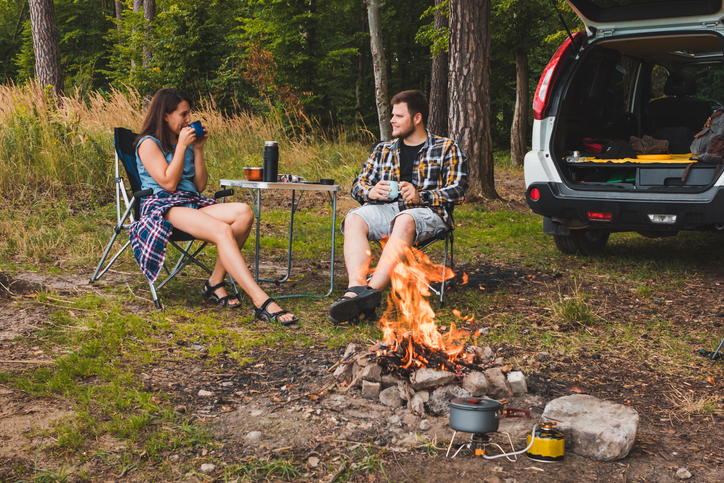

Camping is one of the most rewarding ways to connect with nature, unwind from daily routines, and embrace a simpler way of living. Whether you’re planning a quick weekend getaway or a multi-day outdoor adventure, camping offers a unique blend of relaxation, exploration, and discovery.
What Makes Camping Special
Camping brings you closer to nature’s beauty, from starry night skies to peaceful early mornings. It encourages mindfulness, boosts creativity, and creates unforgettable memories with friends and family. For many, it’s a chance to disconnect from technology and reconnect with what truly matters.
Types of Camping
Tent Camping
Tent camping is the most traditional style, offering a pure outdoor experience.
Highlights include:
- Affordable equipment
- Flexible locations
- Suitable for all experience levels
RV Camping
RV camping adds comfort while keeping you outdoors.
Benefits include:
- Sleeping quarters with amenities
- Easy mobility
- Ideal for long-distance road trips
Car Camping
This style allows you to sleep in your vehicle or pitch a tent nearby.
Why it’s popular:
- Minimal gear needed
- Quick setup
- Convenient for beginners
Backpacking
Backpacking is a more rugged form of camping that involves hiking long distances with all your gear.
Best for:
- Experienced campers
- Those seeking remote, untouched nature
- Adventure-oriented travelers
Glamping
Glamping blends luxury with outdoor living.
Features often include:
- Furnished tents or cabins
- Comfortable beds
- Modern amenities for a hassle-free stay
Essential Camping Gear
Shelter and Sleeping
- Tent or RV setup
- Sleeping bag
- Sleeping pad or air mattress
- Camping pillows
Cooking Supplies
- Portable stove or grill
- Fuel canisters
- Cookware and utensils
- Food storage containers
Safety and Navigation
- First-aid kit
- Map and compass
- Flashlights or headlamps
- Multi-tool or knife
Clothing and Personal Items
- Weather-appropriate layers
- Hiking boots or sturdy shoes
- Sunscreen and insect repellent
- Toiletries and biodegradable soap
Choosing the Right Campsite
Consider the Location
Think about what kind of environment you prefer—forest, beach, mountains, or lakeside. Each offers a different experience and climate.
Check Available Facilities
Some campsites provide amenities such as restrooms, showers, picnic tables, and fire pits, while others require complete self-sufficiency.
Assess Accessibility
Ensure the site is reachable by your preferred mode of travel, whether by car, hike, or RV.
Follow Regulations
Many parks require reservations, permits, or adherence to specific rules. Research ahead to avoid disruptions.
Tips for a Safe and Enjoyable Camping Trip
Practice Leave No Trace Principles
Respecting nature ensures that campsites stay clean and preserved. Pack out what you bring in and minimize your impact.
Prioritize Fire Safety
Use designated fire rings, keep water nearby, and fully extinguish fires before leaving the site or going to sleep.
Stay Weather-Aware
Weather conditions can change quickly outdoors. Check forecasts and bring appropriate gear.
Secure Food Properly
Store food in sealed containers or hang it away from your campsite to avoid attracting wildlife.
Stay Hydrated
Bring enough water or a reliable filtration method, especially when camping in remote areas.
FAQ
1. What is the best time of year to go camping?
Spring and fall offer mild temperatures, but the ideal season varies by region and climate.
2. Do beginners need special experience to camp safely?
No, beginners can start with car camping or established campgrounds, which require minimal skills.
3. How do I keep insects away while camping?
Use insect repellent, keep food sealed, and choose campsite locations away from standing water.
4. Is camping safe for children?
Yes, with proper supervision, age-appropriate activities, and a well-chosen campsite, camping is safe and enjoyable for kids.
5. How do I protect my valuables at a campsite?
Keep valuables inside your tent or vehicle and avoid bringing unnecessary expensive items.
6. What should I do if it rains during my trip?
Bring waterproof gear, set up tent tarps, and choose elevated ground for your campsite.
7. How early should I book a campsite?
Popular sites often require booking weeks or months in advance, especially during peak seasons.

Comments are closed.