
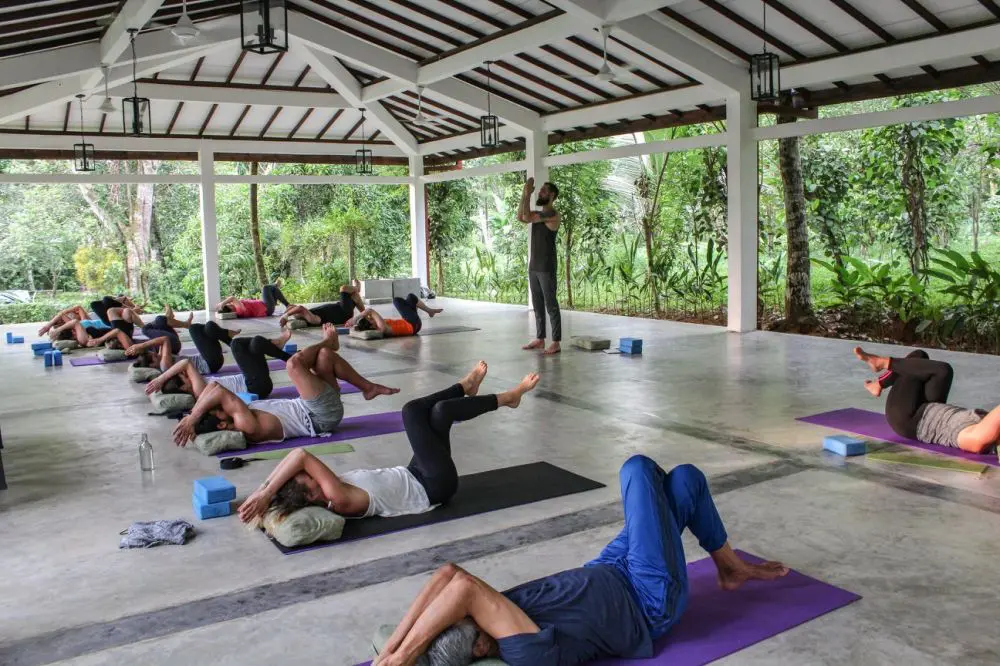

The Rise of Yoga Tourism
Travel has evolved beyond sightseeing and shopping. Increasingly, travellers are seeking experiences that rejuvenate the mind, body, and spirit. Yoga tourism, where holidays are structured around wellness retreats and yoga classes, has seen significant growth across Asia. From the beaches of Bali to the mountains of Nepal, visitors combine cultural discovery with daily practice. Singapore itself serves as a hub where many begin their journey before heading into neighbouring countries for yoga-focused travel.
Why Asia is the Heart of Yoga Tourism
Asia is regarded as the birthplace of yoga, making it the natural destination for those seeking authenticity in practice. Each country offers not only classes but also immersion into local traditions, food, spirituality, and landscapes.
Key reasons Asia leads in yoga tourism:
-
Cultural authenticity: Ancient practices rooted in India, Tibet, and Southeast Asia.
-
Natural beauty: Serene mountains, beaches, and forests ideal for meditation.
-
Affordability: Retreats and classes often cost less than in Western countries.
-
Accessibility: Proximity to Singapore makes short wellness trips easy to plan.
Popular Yoga Tourism Destinations in Asia
India: The Spiritual Source
India remains the epicentre of yoga. Cities like Rishikesh, known as the “Yoga Capital of the World”, attract practitioners from around the globe. Beyond structured classes, travellers immerse themselves in ashram living, daily meditation, and philosophical teachings.
-
Unique experience: Practising yoga at sunrise along the Ganges River.
-
Cultural immersion: Learning ancient texts, chanting, and Ayurvedic healing.
-
Ideal for: Travellers seeking deep spiritual connection and traditional roots.
Bali: The Island of Tranquillity
Bali has become synonymous with yoga retreats, offering a fusion of tropical landscapes and Balinese culture. Ubud, in particular, is home to eco-friendly resorts and wellness centres.
-
Unique experience: Combining yoga with Balinese dance, art, and healing ceremonies.
-
Cultural immersion: Temple visits, rice field walks, and local cuisine prepared with mindfulness.
-
Ideal for: Travellers wanting a balance of relaxation, culture, and modern comfort.
Thailand: Balance of Wellness and Adventure
Thailand is another favourite, with its beachside retreats in Koh Samui and Chiang Mai’s tranquil mountains. Thai hospitality and cuisine enhance the yoga experience.
-
Unique experience: Morning yoga by the ocean followed by traditional Thai massage.
-
Cultural immersion: Cooking classes, Buddhist temple visits, and meditation with monks.
-
Ideal for: Travellers combining yoga with active adventure or cultural exploration.
Nepal: Yoga in the Mountains
Nepal offers yoga with a backdrop of the Himalayas. Retreats here combine physical practice with trekking and spiritual exploration.
-
Unique experience: Practising yoga while overlooking snow-capped peaks.
-
Cultural immersion: Learning Buddhist chants and staying in monasteries.
-
Ideal for: Travellers seeking peace, quiet, and an active outdoor lifestyle.
Singapore: Gateway to Regional Wellness Travel
While Singapore is not traditionally known as a yoga retreat destination, it is increasingly recognised as a starting point for yoga tourism. Many residents and expatriates attend structured sessions in studios before travelling regionally for immersive retreats. Studios like Yoga Edition make it convenient to build a foundation before embarking on longer journeys abroad.
How Travellers Combine Yoga with Culture
Yoga tourism is not only about practising postures but about exploring traditions that align with the philosophy of balance and mindfulness.
Food and Nutrition
Many yoga retreats include plant-based or vegetarian diets. Travellers learn mindful eating, often cooking with local, organic produce. This creates a connection between wellness and culture.
Traditional Healing Practices
Ayurveda in India, Balinese massage, Thai herbal medicine, and Tibetan healing rituals often complement yoga sessions. These add depth to the experience by linking movement with holistic wellness.
Festivals and Celebrations
Travellers often align their trips with yoga festivals such as the International Yoga Festival in India or wellness gatherings in Bali. These events combine cultural performances, workshops, and spiritual activities.
Daily Rituals and Practices
Whether it is meditating at dawn in a monastery or joining a fire ceremony in Bali, cultural rituals blend seamlessly with yoga practice, offering travellers insight into local ways of life.
Benefits of Yoga Tourism for Travellers
Yoga tourism is not a trend but a lifestyle shift. It offers travellers more than temporary relaxation.
-
Stress reduction: Extended retreats provide time to disconnect from work pressures.
-
Skill improvement: Daily practice enhances flexibility, breathwork, and mindfulness.
-
Cultural appreciation: Exposure to traditions deepens understanding beyond physical postures.
-
Community connections: Meeting like-minded travellers creates lasting friendships.
Planning a Yoga Tourism Trip in Asia
For Singapore residents or regional visitors, yoga tourism can be tailored to time, budget, and interest.
Short Retreats (3–5 Days)
-
Perfect for weekend getaways.
-
Focus on relaxation, detox programmes, and light practice.
-
Popular destinations: Bali, Thailand, or Malaysia.
Medium Retreats (1–2 Weeks)
-
Combine structured yoga with cultural immersion.
-
Opportunities for trekking, cooking, and temple visits.
-
Popular destinations: Nepal, Sri Lanka, or India.
Long Retreats (1 Month or More)
-
Suitable for those seeking teacher training or deeper spiritual exploration.
-
Immersion into daily routines of ashram or monastery life.
-
Popular destinations: Rishikesh in India, Chiang Mai in Thailand.
Yoga Tourism and Sustainable Travel
An emerging aspect of yoga tourism is its alignment with eco-conscious travel. Many retreats focus on sustainability, such as using solar energy, organic farming, and eco-friendly accommodation. Travellers increasingly seek experiences that benefit both personal wellbeing and the planet.
Singapore’s Role in Connecting Travellers to Asia’s Yoga Tourism
Singapore’s strategic location, well-connected flights, and multicultural environment make it an ideal starting point for wellness journeys. Many residents train locally through structured classes before advancing to regional retreats. Studios also collaborate with international retreat organisers, creating bridges between local practice and overseas exploration.
FAQs
Q. Do I need to be advanced in yoga before joining a retreat abroad?
A. No. Many retreats welcome beginners and offer tiered classes suitable for different levels. What matters is an open mind and willingness to learn.
Q. How do yoga retreats in Asia differ from those in the West?
A. Retreats in Asia often focus more on cultural immersion, spiritual traditions, and affordability. They offer authenticity rooted in centuries-old practices.
Q. Can families join yoga tourism trips?
A. Yes. Some retreats offer family-friendly programmes with yoga for children, cultural workshops, and activities that engage all ages.
Q. What should I pack for a yoga tourism retreat?
A. Essentials include comfortable clothing, a yoga mat, reusable water bottle, eco-friendly toiletries, and an open attitude to cultural experiences.
Q. How can I continue the benefits of yoga tourism once I return to Singapore?
A. Maintain consistency by joining local classes, integrating pranayama into daily routines, and keeping a travel journal of practices learnt abroad.

Comments are closed.