
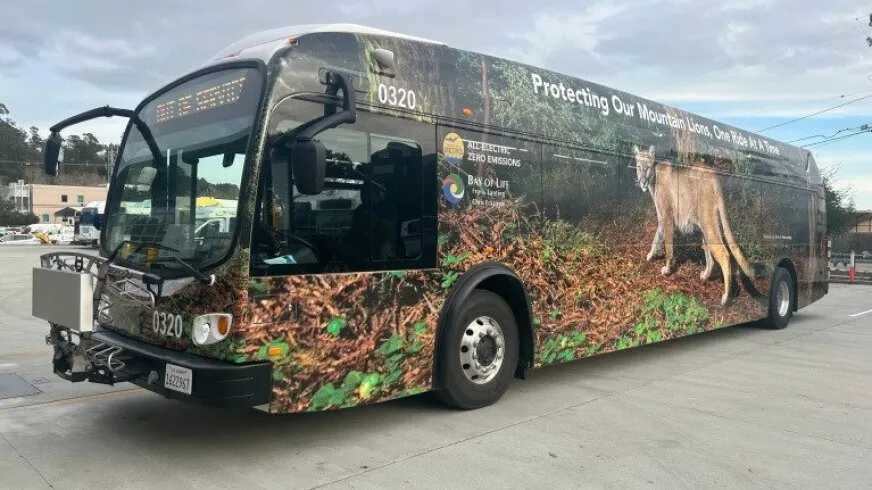

Chicago’s buses do more than move people: in 2025, they move ideas, launches, and entire brands across the city’s daily rhythm. As marketers rebalance media mixes toward accountable out‑of‑home, the Bus Wrap In Chicago has emerged as a flexible, high‑impact play, meeting commuters at curb level and following them from the Loop to the neighborhoods. This article looks at why bus wraps remain powerful, how to design for real‑world visibility, and what they mean for communities and the environment. It also breaks down how teams measure outcomes, so readers can, quite literally, View all the benefits before they roll a single bus.
Why bus wraps remain a leading form of mobile advertising in 2025
A bus wrap is one of the few formats that turns everyday transportation into persistent, citywide storytelling. In 2025, Chicago’s routes crisscross dense retail corridors, stadium districts, campuses, and residential streets, delivering both reach and frequency that static placements struggle to match. Because buses spend time in traffic and at stops, impressions aren’t fleeting: people can read, photograph, and share the creative.
Marketers also favor bus wraps for their targeting flexibility. Routes can be chosen to shadow audience patterns, say, a tech launch riding lines that touch the West Loop and River North, or a CPG brand covering high‑frequency grocery corridors on the Northwest and South Sides. Compared with many mass media options, transit CPMs are competitive, especially when campaigns run for multiple months and leverage multiple vehicles.
Another reason they stand out in Chicago: inventory scarcity and regulations limit large-format billboards in many neighborhoods. A wrapped bus brings big‑canvas storytelling right to street level, without relying on a rare wallscape. And because the medium lives in everyday life, brands report downstream lifts in search, store visitation, and social chatter when creative is simple, memorable, and relentlessly visible.
Design elements that maximize visibility on urban streets
What works on a monitor often falls apart at 25 mph from 60 feet away. The best bus wraps in Chicago are built for distance, motion, and clutter.
Key principles:
- Start with contrast and scale. Use two or three high‑contrast colors and outsized typography. If a stranger can’t read the core message at half a block, it’s too small.
- Edit to a single idea. A wrap that says one thing clearly beats three ideas fighting for attention. Make the brand block large and consistent on both traffic and curb sides.
- Design for motion. Avoid thin lines and fussy details: they shimmer at speed. Keep critical elements away from seams, rivets, and wheel wells.
- Plan the curb side first. That’s where pedestrians board and where sidewalk dwell time is highest. Place your call to action (CTA) and scannable elements there.
- Size QR codes for reality. For sidewalk scans, 8–10 inches on the curb side is a practical minimum: add a short vanity URL for moving traffic.
- Respect transit rules. Window‑perforated film is common, but emergency signage, cameras, lights, and operator sightlines can’t be obstructed. Work with the Chicago Transit Authority’s specifications early to avoid costly reprints.
Finally, test with a “street read.” Print a scale mockup, step back, and judge it from the angle and distance of a crosswalk. If the idea isn’t immediate, simplify.
Comparing bus wraps with traditional billboard marketing
Bus wraps and billboards both deliver out‑of‑home impact, but they excel in different ways.
- Mobility vs. fixed presence: Billboards own a single sightline: bus wraps move through many. In Chicago, mobility helps brands reach neighborhoods where billboards are scarce.
- Dwell time: A large static board can accumulate long glances on highways: buses trade a bit of dwell for frequency and proximity to sidewalks, storefronts, and bus stops.
- Targeting: Billboards target by location. Bus wraps target by route patterns and dayparts, following people where they actually go.
- Cost dynamics: Transit CPMs are often highly efficient for broad reach. Boards can cost more in premium zones but deliver concentrated, repeated exposure.
- Creative feel: A full wrap can act like a rolling mural, generating social shares and PR value. Boards win when a message needs consistent, always‑on domination of a single corridor.
In practice, many Chicago campaigns pair the two: anchor the launch with a handful of premium boards, then extend presence and frequency with a Bus Wrap In Chicago fleet to keep the story moving.
Community perspectives on branded transportation in Chicago
Public reaction to bus wraps tends to split along two lines: aesthetics and relevance. When creative feels like public art, bold color, clever copy, local references, residents often embrace the buses as part of the city’s visual language. Campaigns tied to civic moments (festivals, museum exhibits, playoff runs) draw especially warm responses.
Concerns usually center on visual clutter and content suitability. Chicago’s transit ad policies restrict sensitive categories and require safety features, which helps keep wraps aligned with community standards. Another common question is rider experience. Perforated window film preserves outward visibility from inside, and safety decals and emergency hardware must remain clear by rule.
The most successful advertisers approach the wrap as a neighborhood guest. They collaborate with local artists, feature Chicago photography, or highlight community impact (jobs, scholarships, sustainability). Done well, a wrapped bus can feel less like an intrusion and more like a moving celebration of the city.
Environmental factors influencing material and design choices
Sustainability has moved from nice‑to‑have to table stakes, and Chicago’s weather makes material choices even more important.
- Film and inks: Many teams now specify PVC‑free films and low‑VOC, UV‑cured or water‑based inks. These options reduce solvents and perform well across Chicago’s freeze‑thaw cycles.
- Overlaminates: Durable, anti‑graffiti overlaminates protect color while allowing gentler, water‑based cleaning, all helpful when buses face road salt in winter and intense sun in summer.
- Install and removal: Cold‑weather adhesives and conformable films prevent edge lift on rivets and curves. Clean‑removal adhesives shorten shop time when campaigns end, cutting both labor and downtime.
- End‑of‑life: While most wrap films aren’t curbside‑recyclable, vendors increasingly offer take‑back or upcycling programs (e.g., converting retired wraps into bags or event signage). Shorter runs can also use thinner films to reduce material use.
- Fleet transition: The Chicago Transit Authority is expanding electric buses toward a long‑term electrification goal. Wraps add negligible weight, but designers should avoid covering charging interfaces and high‑heat areas and confirm material compatibility with EV body panels.
The bottom line: choose materials that survive salt, slush, and UV, then back them with a maintenance plan that favors biodegradable cleaners and responsible disposal.

Comments are closed.