
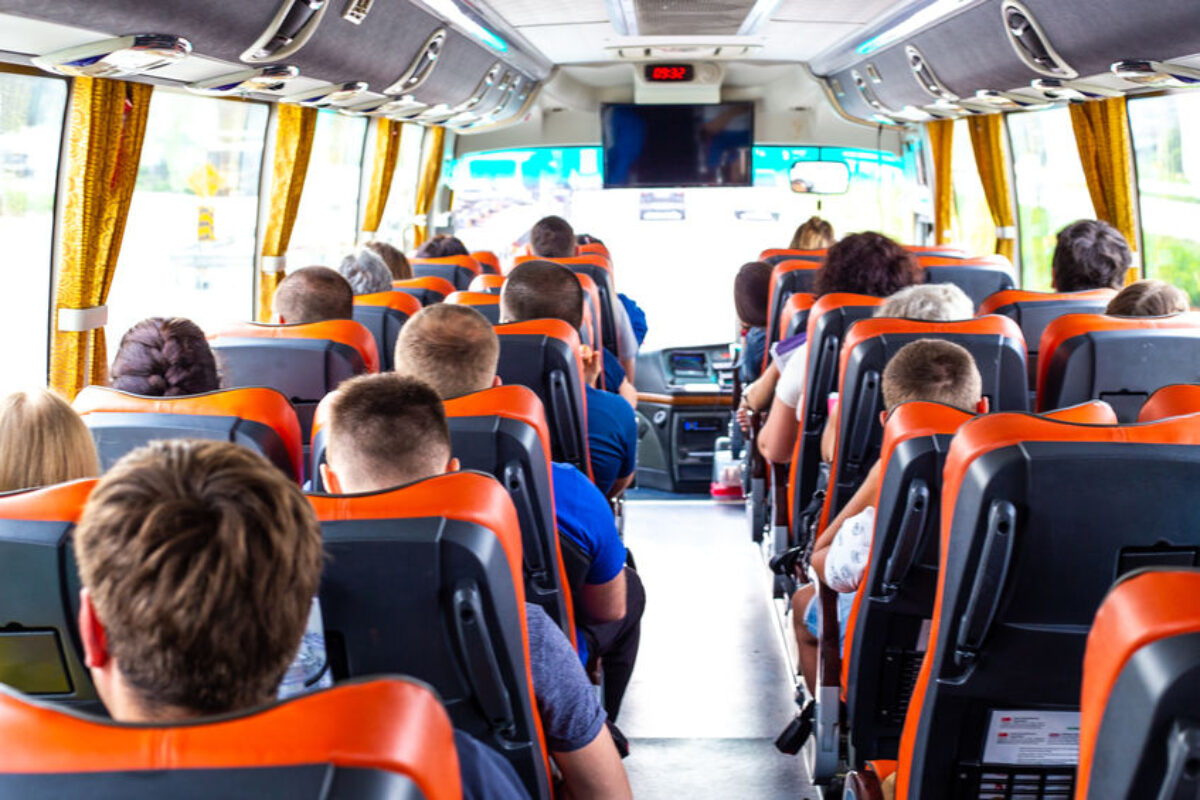

Headcounts look simple on paper, until luggage, accessibility needs, and comfort enter the picture. Charter Bus Seating Capacity isn’t just a number on a spec sheet: it’s the practical limit of how many people, bags, and amenities can ride safely and comfortably on a given itinerary. Groups planning school field trips, corporate shuttles, tournaments, or family celebrations benefit from understanding how capacity is determined and where it flexes. Providers such as Infinity Transportation often guide planners through the tradeoffs, matching fleet size and features to trip realities. This article breaks down how seating varies by vehicle type, the factors that influence passenger limits, and how to choose the right bus for different kinds of travel, so that groups board with confidence, not crossed fingers.
How seating capacity varies across charter bus models
Charter fleets aren’t one-size-fits-all. Seating ranges reflect different body styles, storage layouts, and comfort levels. At a glance:
- Sprinter and executive vans: roughly 10–14 passengers. Good for airport transfers and compact city moves where maneuverability matters.
- Minibuses: typically 18–25 passengers. Efficient for smaller teams and wedding shuttles: limited underfloor storage.
- Mid-size coaches: about 28–35 passengers. A sweet spot when a minibus feels tight but a full motorcoach is more than needed.
- Full-size motorcoaches: commonly 47–56 passengers (55 is frequent). Best for longer mileage, larger groups, and big luggage. Underfloor bays handle checked-sized bags, instruments, or sports gear.
- School buses (bench seating): often listed as 44–72 children: for adults, practical capacity trends closer to 44–48. Ideal for short hops rather than highway hours.
Two identical-looking buses can post different seat counts because of interior choices. A rear restroom may displace 2–4 seats. ADA wheelchair lift and securement stations reduce the number of fixed seats but expand accessibility. Some coaches trade a couple of rows for a bigger galley, more legroom, or conference-style seating.
It also helps to separate paper capacity from functional capacity. A 56-passenger coach can physically seat 56 adults, but if the group brings full-size luggage, musical instruments, or coolers, a planner might treat that same coach as a 48–52 “comfortable” capacity. Infinity Transportation and similar operators routinely right-size within these ranges to keep both people and gear accounted for.
Key factors influencing passenger limits on group trips
The headcount on a bus is shaped by more than seat count. Practical Charter Bus Seating Capacity reflects several real-world variables:
- Luggage and equipment: Underfloor bay space and overhead racks dictate how many full-size suitcases, garment bags, or instruments fit. Ski trips, marching bands, and tournament teams may need to derate seating to accommodate gear safely.
- ADA accessibility: Each wheelchair position typically replaces 2–4 standard seats. If two wheelchair users are traveling, plan for fewer fixed seats plus additional loading time.
- Amenities and layout: Rear restrooms, galley areas, or table pods trade seats for comfort and function. Wider seat pitch also reduces total seats but improves ride quality on long mileage.
- Trip distance and duration: For a cross-state drive, extra legroom and a partially open seat map reduce fatigue. For a 20-minute shuttle, denser layouts are often fine.
- Passenger profile: Adult sizing versus children matters on school buses with benches. On motorcoaches with individual seats, it’s one person per seat, regardless of age.
- Safety and compliance: Seat belts (increasingly common), local regulations, and weight distribution guidelines can affect how groups are seated and how much gear is permitted on board.
- Seasonal gear and weather: Winter coats, strollers, and event giveaways all occupy space that planners sometimes underestimate.
Taken together, these factors mean a bus’s “true” capacity is contextual. A 35-passenger coach might be perfect for 30 professionals with small bags, yet tight for 28 travelers carrying trade-show cases. The goal is to match the vehicle to the trip, not the other way around.
Choosing the right vehicle for school, corporate, or family travel
Different trips call for different tools, comfort, storage, and boarding speed all matter.
School and youth groups
- Short local trips: Standard school buses work for budget-conscious hops between campuses or venues. Remember adult capacity is lower than the children’s rating.
- Day-long and overnight travel: Full-size motorcoaches add seat belts, climate control, restrooms, and bays for coolers and equipment. Sports teams benefit from the storage: orchestras often require a second coach or a gear-focused layout.
Corporate shuttles and events
- City transfers and hotel shuttles: Minibuses or mid-size coaches move attendees efficiently between venues and off-site dinners. Quick boarding, Wi‑Fi, and power outlets keep schedules tight and devices charged.
- Conferences and off-sites: For 35–50 attendees with carry-ons, a mid-size or full-size coach balances comfort and per-seat cost. If the agenda is dense, a restroom-equipped model saves time.
Weddings, reunions, and family travel
- Guest shuttles: Minibuses (18–25) handle looped service between hotels and venues, keeping guests on time without overcommitting budget.
- Multi-generational groups: A motorcoach with ADA lift, priority front seating, and easier steps reduces strain for older relatives and parents with strollers.
In practice, operators like Infinity Transportation often propose two viable options, say, a 28–35 seat mid-size coach or a 47–56 seat motorcoach, then help the planner weigh luggage, timing, and comfort to make the final call.
Accessibility and comfort considerations for larger groups
Accessibility isn’t a “nice-to-have”, it’s central to a smooth trip. Many modern coaches can be configured with a wheelchair lift and securement stations: requesting this at booking ensures the vehicle arrives ready. Each mobility device space reduces fixed seats, and securement takes a few extra minutes at pickup, so itineraries should reflect that. Service animals are typically accommodated under applicable laws.
Comfort and safety scale with group size. Seat belts, reclining seats, and adequate seat pitch (legroom) reduce fatigue on journeys over two hours. Climate control is more effective when passenger loads are realistic rather than maxed out. For elderly travelers or guests with limited mobility, reserving the first rows, minimizing stair climbs, and planning rest stops every 2–3 hours makes a noticeable difference.
Seating charts help, too. Keeping families together, placing chaperones strategically, and assigning a few aisle seats to those who may need frequent movement lowers aisle congestion. On dense itineraries or tight urban venues, two smaller buses can speed boarding and improve curbside safety compared with one very full coach.
Cost efficiency of matching bus size to group needs
The most economical charter isn’t always the biggest bus, it’s the best match. Pricing typically blends an hourly or daily rate, mileage, driver time, seasonality, and any deadhead distance to reach the pickup point. When the estimate is in hand, groups can divide by the likely onboard headcount to compare per-seat cost across vehicle options.
Right-sizing pays off in several ways:
- Minimizing empty seats lowers cost per person without sacrificing comfort.
- Selecting a coach with the right storage avoids last-minute add-ons or a second vehicle just for luggage.
- For headcounts near the top of a category (e.g., 26 people), a step up to a mid-size coach may be cheaper than squeezing into multiple minibuses.
- Off-peak travel days and flexible pickup windows can reduce rates.
Many operators, including Infinity Transportation, will provide alternative quotes, one for a smaller vehicle at fuller capacity and one for a larger vehicle with more space, so planners can choose the most cost-effective balance.
Planning ahead to maximize convenience and safety
Solid planning unlocks the real capacity of a bus. The earlier the inquiry, especially for spring and fall peak seasons, the more choices in fleet size and layout. Six to eight weeks’ lead time is a practical target for popular dates.
Key details that help an operator tune Charter Bus Seating Capacity to the trip:
- Confirmed or realistic headcount range, including any ADA needs
- Luggage profile (carry-ons vs. full-size bags, instruments, strollers, coolers)
- Exact addresses, loading zones, and venue timing rules
- Preferred amenities (Wi‑Fi, power, restroom) and seating layout needs
- A contact list, chaperone plan, and a buffer of 15–20 minutes for loading
On the day of travel, quick briefings about seat belts, aisles, and emergency exits set expectations. No standing while the bus is moving, stowing items securely, and planning rest stops on long segments support both safety and punctuality.
The payoff for this prep is simple: the bus that arrives is the one the group actually needs, and every seat, bag, and timeline constraint is accounted for. That’s when capacity numbers stop being theoretical and start working in the real world.

Comments are closed.