
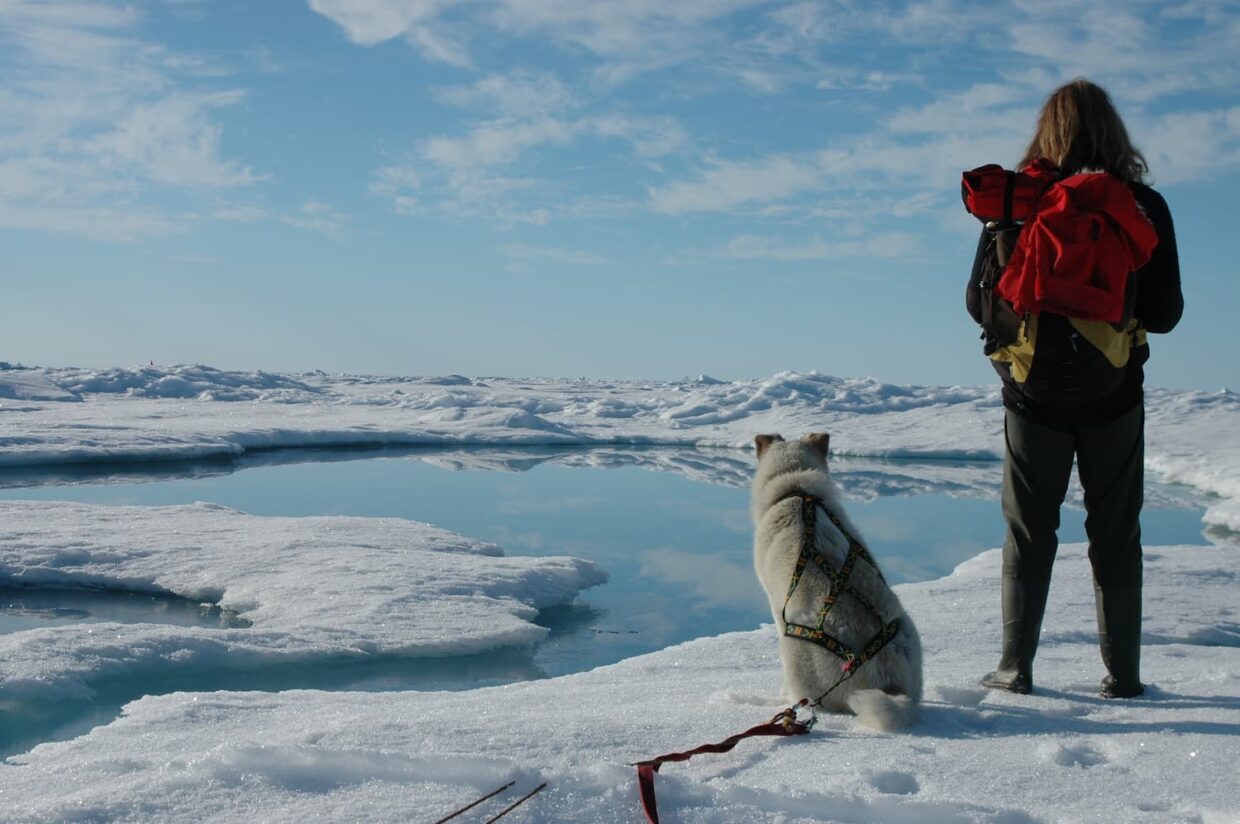

For centuries, the Earth’s polar regions, particularly the vast, icy continent of Antarctica, remained largely a mystery. Early explorers braved unimaginable hardships, relying on sheer grit, rudimentary tools, and often, an overwhelming sense of the unknown. Today, the landscape of polar exploration has been fundamentally reshaped by technological advancements. What was once a perilous journey into the void has become a sophisticated scientific endeavor, offering unprecedented insights into our planet’s climate, ecosystems, and even the origins of life.
This transformation isn’t merely about convenience; it’s about expanding the boundaries of what’s possible in one of the most extreme environments on Earth. From navigating treacherous ice fields to conducting intricate research beneath miles of ice, technology has become the indispensable partner of every modern antarctica expedition.
Navigating the Icy Maze: Precision and Safety
Early polar explorers often found themselves at the mercy of the elements, their routes dictated by ice formations and weather patterns that were impossible to predict with accuracy. The risks were immense, and many expeditions ended in tragedy.
GPS and Satellite Navigation
The advent of Global Positioning Systems (GPS) revolutionized navigation. No longer do explorers rely on celestial bodies or compasses alone. Modern GPS units provide real-time, highly accurate positioning, allowing ships and ground teams to plot precise courses, avoid hazards, and track their movements with unparalleled precision. This not only enhances safety but also optimizes research efforts by enabling scientists to return to specific locations with ease, year after year.
Advanced Icebreaking Capabilities
The ships themselves have undergone a monumental transformation. Modern icebreakers are not just powerful; they are intelligent. Equipped with advanced sonar, radar, and satellite imagery analysis, they can identify optimal routes through pack ice, detect hidden icebergs, and even predict ice movements. This significantly reduces the risk of ships becoming trapped or damaged, making an antarctica expedition more reliable and less prone to costly delays.
Unveiling Hidden Worlds: Remote Sensing and Robotics
The true marvel of technological integration lies in its ability to extend human perception beyond our physical limitations, allowing us to explore environments previously inaccessible.
Satellite Imagery and Remote Sensing
Before a single boot touches the ice, satellites provide a comprehensive overview of the polar landscape. High-resolution satellite imagery offers invaluable data on ice sheet dynamics, sea ice extent, glacier movements, and even changes in wildlife populations. This remote sensing capability allows researchers to monitor vast areas continually, detecting subtle changes that might otherwise go unnoticed and providing crucial context for on-the-ground research. For instance, satellite data has been instrumental in tracking the retreat of glaciers and understanding the impact of climate change on the Antarctic ice sheet.
Autonomous Underwater Vehicles (AUVs) and Remotely Operated Vehicles (ROVs)
Perhaps the most exciting advancements come in the form of robotic explorers. AUVs can dive beneath miles of ice, mapping the seafloor, collecting water samples, and even discovering new marine species in environments too hostile or deep for human divers. ROVs, operated from the safety of a research vessel, can navigate complex underwater terrains, deploy sensors, and capture stunning imagery, offering unprecedented views of sub-ice ecosystems and volcanic activity. These robotic pioneers are unlocking the secrets of Antarctica’s vast subglacial lakes and marine environments, providing data that fundamentally alters our understanding of Earth’s processes.
Science at the Forefront: Enhanced Data Collection and Analysis
The ultimate goal of most polar expeditions is scientific discovery. Technology has not only made exploration safer and more accessible but has also dramatically enhanced the quality and quantity of data collected.
Sophisticated Scientific Instrumentation
Modern research stations and expedition vessels are veritable floating laboratories. From highly sensitive atmospheric sensors that measure greenhouse gases to deep-ice drilling equipment that extracts ancient ice cores, the instrumentation available today is incredibly sophisticated. These tools allow scientists to conduct experiments in real-time, analyze samples on-site, and gather data with a level of precision unimaginable a few decades ago.
Real-time Data Transmission and Global Collaboration
The ability to transmit data back to research institutions globally in real-time has transformed polar science. Researchers in Antarctica can collaborate instantly with peers across continents, sharing findings, discussing interpretations, and refining experiments. This global network accelerates discovery, allowing for more comprehensive analysis and a faster understanding of critical environmental changes. An antarctica expedition is no longer an isolated endeavor but a node in a vast, interconnected web of scientific inquiry.
The Future of Polar Exploration
The technological revolution in polar exploration is far from over. We can anticipate even more advanced robotics, artificial intelligence for data analysis, and sustainable energy solutions to power future expeditions. The challenges posed by climate change make understanding the polar regions more critical than ever. Technology will continue to be our most powerful tool in unraveling their mysteries and safeguarding their future.
The journey to the poles remains an extraordinary undertaking, but thanks to innovation, it is now a journey of unparalleled insight, safety, and scientific potential. The icy frontier continues to beckon, but now, we approach it armed with the marvels of human ingenuity.
Author Bio:
The author is a seasoned science communicator and writer with a passion for environmental conservation and exploration. With a background in geoscience, they have dedicated their career to translating complex scientific concepts into engaging narratives for a broad audience. Their work often focuses on the critical role of technology in understanding and protecting our planet’s most extreme environments.

Comments are closed.